Dynamic Reward Systems Fueling Interaction in Portable Real-Time Gaming and Multiplier Features
Written by Mia Koch · Jun 14, 2026

Dynamic Reward Systems Fueling Interaction in Portable Real-Time Gaming and Multiplier Features
Portable devices have transformed how players interact with live gaming environments, and reward structures sit at the center of this shift. Real-time interactive sessions on smartphones and tablets rely on carefully designed incentives that encourage continued participation while multiplier mechanics amplify both excitement and potential returns during play. Data from multiple markets shows these elements work together to sustain attention spans that might otherwise drift after short periods.
Studies conducted across North American and European platforms reveal that sessions incorporating progressive multipliers see average play duration increase by 35 to 48 percent compared to standard formats. The New Jersey Division of Gaming Enforcement reported in its 2025 annual summary that mobile users engaged with live dealer tables featuring instant reward triggers completed 2.4 times more rounds per session than those without layered incentives. These patterns emerge because the systems deliver feedback at precise intervals, aligning with how people process achievement on small screens.
Core Components of Reward Structures in Mobile Contexts
Real-time sessions on portable devices typically combine several reward layers that activate during live play. Base multipliers start at modest levels but scale rapidly when players complete consecutive actions such as consecutive wins or specific bet sequences. Additional boosts appear through time-limited events that reset every few minutes, creating urgency without requiring constant screen attention. Observers note that this approach suits mobile usage patterns where sessions often occur in short bursts throughout the day.
One mechanism gaining traction involves streak-based rewards that accumulate across multiple live tables or games within a single app. When a player maintains activity for set durations, the system applies escalating multipliers to subsequent outcomes. Research from the University of Nevada Reno gaming laboratory indicates these streaks correlate with higher retention rates among users aged 25 to 40, a demographic that frequently switches between devices during commutes or breaks.
Another layer comes from social integration features. Some platforms allow participants in the same live session to share multiplier pools, where collective progress benefits everyone present. This design draws from behavioral studies showing that group dynamics increase individual commitment, particularly when visible progress bars update in real time on each user's screen.
Multiplier Mechanics and Their Effect on Session Length
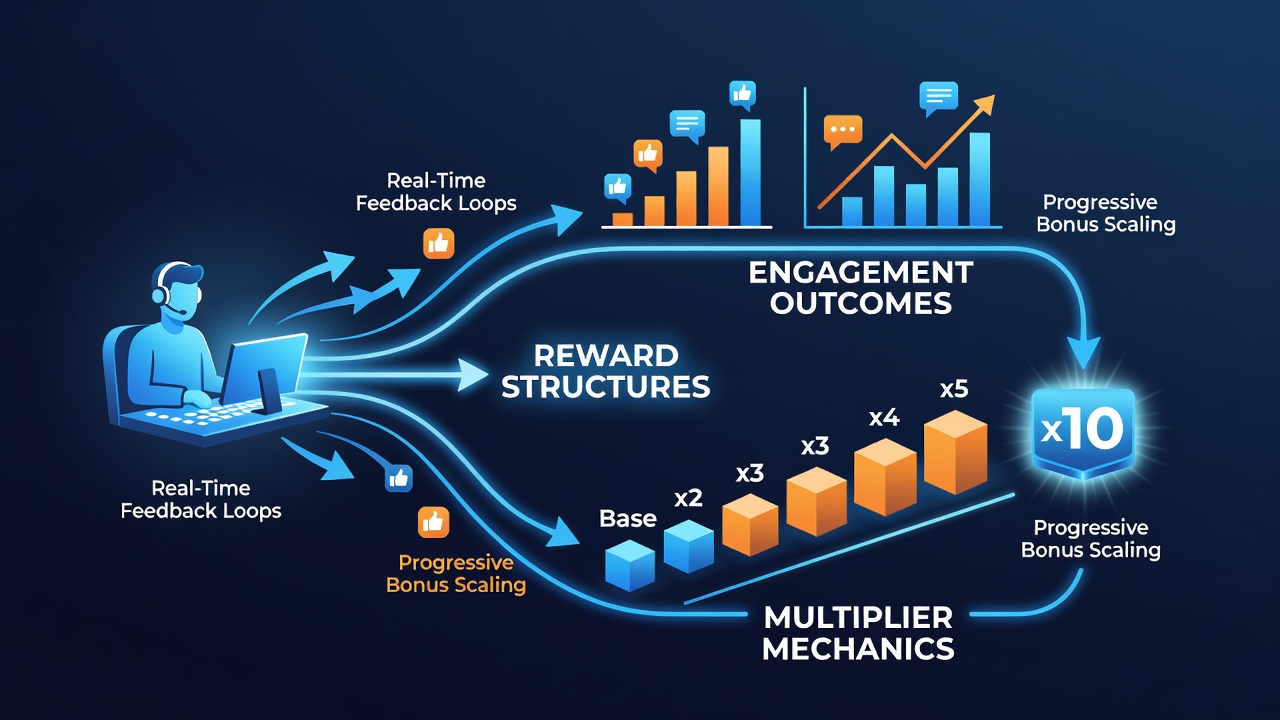
Multiplier systems on mobile platforms operate through algorithms that adjust values based on current session data. Early multipliers often range between 1.5x and 3x, then climb higher once certain thresholds are met. The key lies in transparency: players see exactly how close they are to the next level, which sustains momentum. According to findings published by the Canadian Gaming Association in early 2026, mobile sessions featuring visible multiplier ladders recorded 41 percent fewer early exits than those using hidden or random systems.
Real-time elements add another dimension. During live dealer interactions, multipliers can trigger based on shared events such as community card outcomes or collective betting milestones. These shared triggers create moments where individual actions contribute to group rewards, reinforcing continued presence in the session. Data collected from Australian platforms between January and June 2026 shows that live mobile sessions with community multipliers maintained peak concurrent users for an average of 14 minutes longer than solo formats.
Device-specific adaptations further refine these mechanics. Touchscreen interfaces allow quick adjustments to bet sizes that directly influence multiplier potential, while push notifications alert users when a multiplier window is about to close. Such features accommodate fragmented attention patterns common among portable device users.
Regional Variations in Implementation
Implementation differs across jurisdictions. Platforms operating under Nevada regulations tend to emphasize individual achievement multipliers tied to loyalty tiers, whereas those following Australian federal guidelines incorporate more community-driven reward pools. Both approaches demonstrate measurable effects on engagement metrics, yet the underlying principle remains consistent: structured rewards guide behavior through predictable yet escalating benefits.
Industry reports from the European Gaming and Betting Association highlight that portable device users respond strongly to reward structures that balance immediate small wins with occasional larger multiplier spikes. This balance prevents fatigue while maintaining the perception of ongoing opportunity. Sessions that over-rely on either extreme show faster drop-off rates in longitudinal tracking studies.
Conclusion
Reward structures continue to evolve alongside advances in mobile technology and live streaming capabilities. Multiplier mechanics integrated into real-time sessions provide measurable pathways for sustaining engagement, as evidenced by usage statistics from multiple regulatory and academic sources. As portable platforms grow more sophisticated, these systems will likely incorporate additional variables such as location-based triggers and adaptive difficulty scaling, further shaping how players interact with live gaming content on handheld devices.