Interconnections of Reward Structures, Processing Times, and Instant Media in Smartphone-Based Play Environments
Written by Mia Koch · Jul 1, 2026
Interconnections of Reward Structures, Processing Times, and Instant Media in Smartphone-Based Play Environments
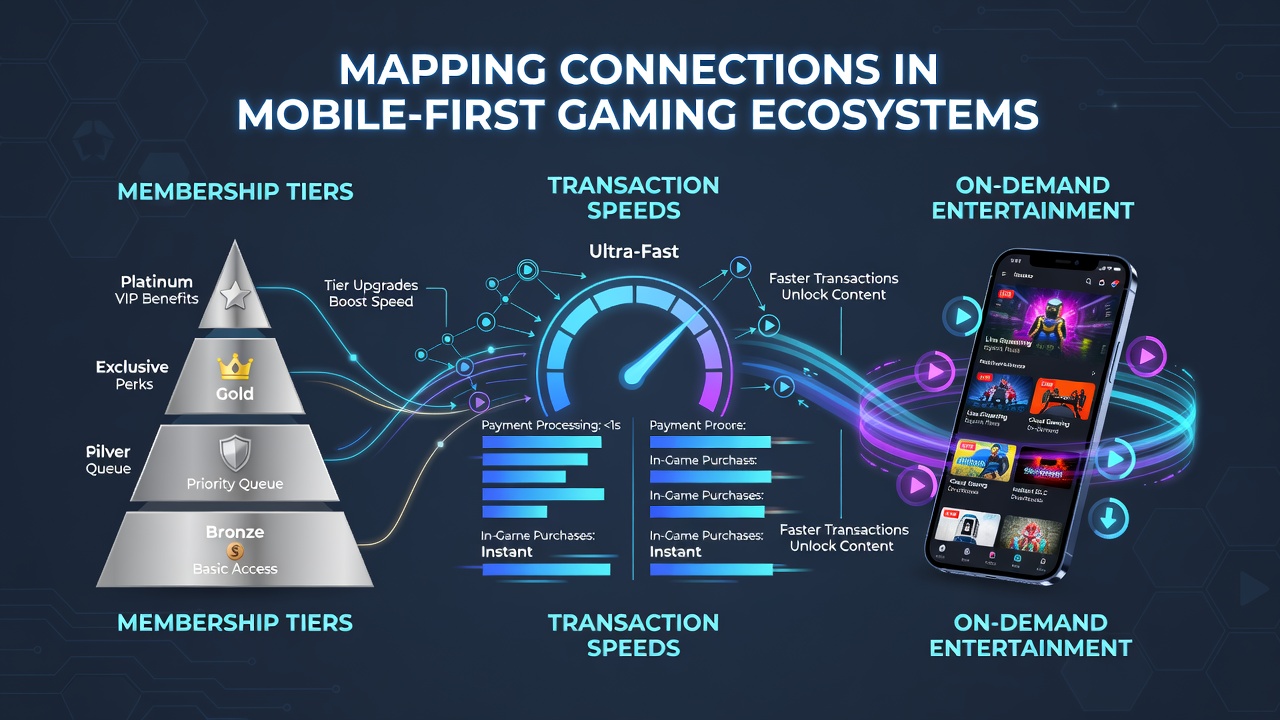
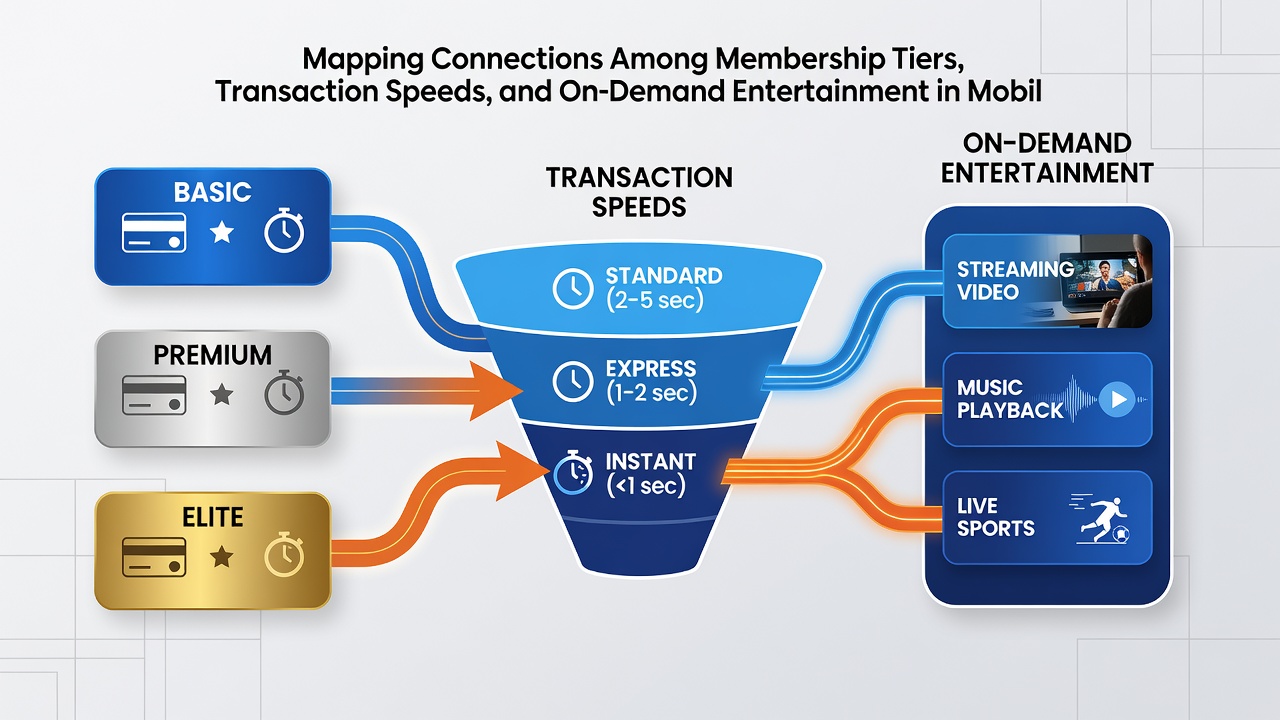
Research from industry analysts shows direct links between membership tiers, transaction speeds, and on-demand entertainment options within mobile-first gaming ecosystems, and data collected through 2025 highlights how these elements interact across platforms that prioritize smartphone access. Higher tiers often unlock reduced processing delays for in-app purchases while granting priority entry to live events or streamed content, according to reports compiled by the Entertainment Software Association. Those who've tracked user behavior note that basic tiers typically face standard verification steps that extend transaction completion by several seconds, whereas elevated tiers integrate with faster payment rails that complete in under two seconds on average.
Defining the Core Components
Membership tiers function as layered access frameworks that segment users based on engagement metrics such as playtime, spending volume, and social interactions within games. Transaction speeds refer to the duration required for payment authorization, fund transfers, and reward distribution across mobile networks, and on-demand entertainment encompasses features like instant access to tournaments, live streams, or customizable in-game media that users activate without waiting periods. Studies conducted by academic teams at the University of Southern California indicate these three areas form feedback loops where improved transaction efficiency encourages tier upgrades that in turn expand entertainment choices available to players.
How Tiers Influence Transaction Processing
Platform operators structure tiers so that entry-level accounts route payments through standard gateways that include additional security checks, yet mid-level and premium accounts connect directly to optimized processors that bypass some verification layers. Figures released in early 2026 by the Interactive Games and Entertainment Association reveal that premium members experience transaction completion rates 40 percent faster than free-tier users across major mobile ecosystems. This acceleration stems from pre-approved payment methods stored within tier profiles, combined with algorithmic prioritization that allocates server resources during peak hours. Observers note that such differences become pronounced during high-volume events when network congestion affects lower tiers more severely.
Links to On-Demand Entertainment Delivery
Once transaction speeds improve through tier progression, users gain expanded access to on-demand features that include real-time content drops and exclusive live sessions. Data from Canadian regulatory filings on digital entertainment platforms demonstrates that members at advanced tiers receive notifications and entry passes to streamed competitions within moments of purchase confirmation, whereas standard accounts encounter staggered release schedules. These connections arise because faster fund movement allows platforms to verify eligibility instantly and push personalized media streams without manual intervention. Research indicates that integration of near-field communication tools in mobile devices further shortens the gap between payment and entertainment activation for higher-tier accounts.
Platform Examples and Data Patterns
Take one analysis released by European gaming research groups that examined five leading mobile titles through mid-2026. The study found consistent patterns where tier advancement correlated with both quicker in-game economy interactions and broader libraries of on-demand video or audio content tied to gameplay. July 2026 updates to several ecosystems introduced unified dashboards that display tier status alongside estimated transaction durations and available entertainment queues, allowing users to visualize these interconnections directly. Platforms that adopted these displays reported measurable increases in tier retention rates during the same period, according to aggregated telemetry shared by industry consortia.
Additional patterns emerge when examining cross-regional data. Australian government reports on digital services highlight how mobile gaming operators in that market align tier benefits with local payment regulations to maintain transaction speeds under three seconds for qualifying accounts. This alignment supports delivery of region-specific on-demand events without regulatory delays. Similar frameworks appear in reports from South Korean technology institutes that track mobile ecosystem performance, where tier-linked speed enhancements enable seamless integration of augmented reality entertainment modules.
Technical Mechanisms Driving the Connections
Behind the scenes, application programming interfaces connect tier databases to payment processors and content delivery networks, creating automated pathways that activate upon reaching spending or activity thresholds. When a user completes a qualifying transaction, the system updates tier status in real time and recalculates access permissions for entertainment features. Engineers at major development studios have documented how these mechanisms reduce latency through edge computing nodes that prioritize premium account traffic. Evidence from multiple platform audits shows that such optimizations maintain consistent performance even as user bases expand, provided the underlying tier structure remains balanced against server capacity.
Conclusion
Overall patterns across available datasets confirm that membership tiers serve as gateways that modulate both transaction speeds and on-demand entertainment availability in mobile-first gaming environments. Continued monitoring by research organizations will track how these interconnections evolve with new hardware capabilities and regulatory adjustments through the remainder of 2026 and beyond. Platforms that maintain transparent mappings between these elements tend to sustain higher user engagement levels based on aggregated performance metrics.