Payment Flexibility Fuels Transitions Across Mobile Slots, Tables, and Loyalty Programs
Written by Cameron Griffin · May 24, 2026
Payment Flexibility Fuels Transitions Across Mobile Slots, Tables, and Loyalty Programs
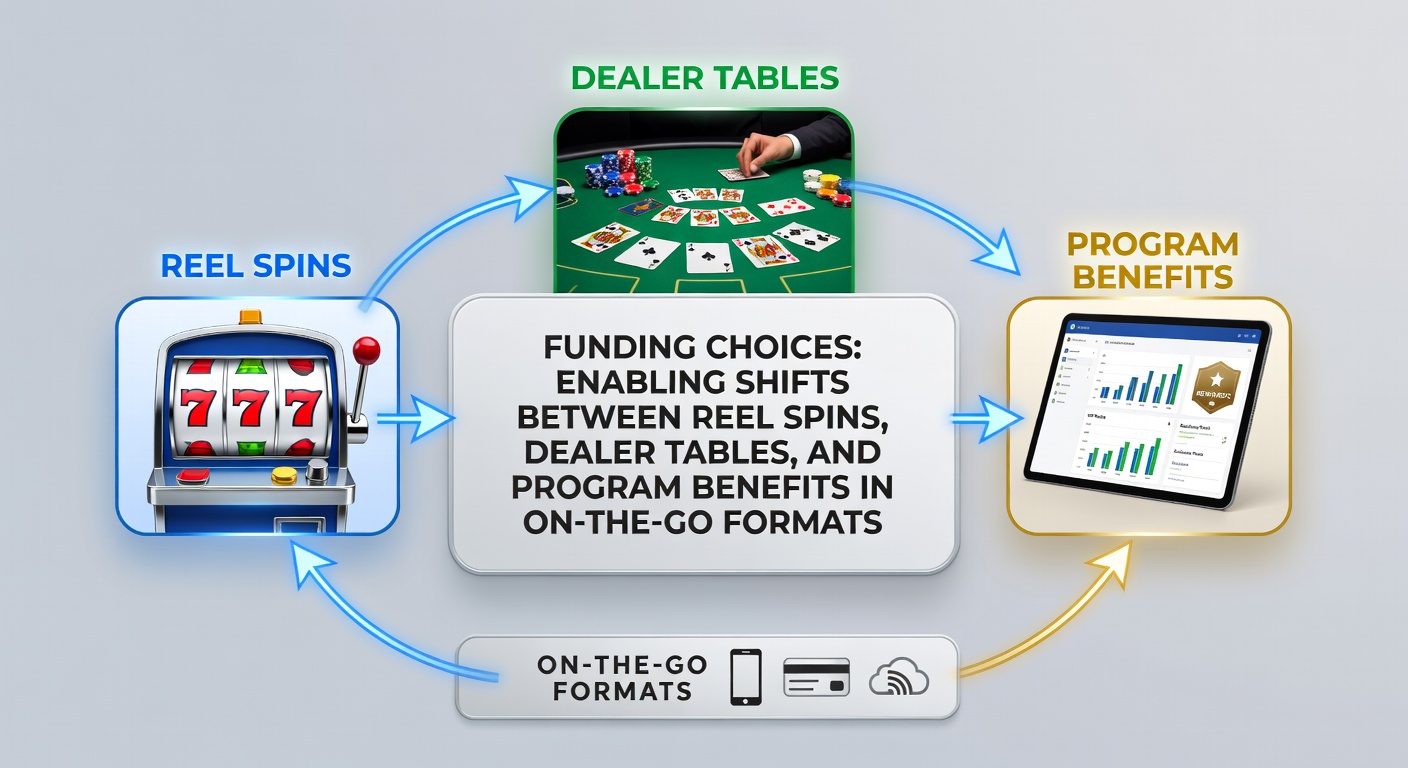
Payment systems in mobile casinos now support rapid movement between reel-based games, live dealer environments, and accumulated reward structures, with operators integrating multiple deposit and withdrawal channels to maintain continuous play sessions. These mechanisms allow users to fund accounts through digital wallets, bank links, or cryptocurrency networks, each carrying distinct processing speeds that align with different gaming preferences on handheld devices.
Core Funding Channels and Their Operational Roles
Electronic wallets such as PayPal and Skrill process deposits in seconds, enabling players to switch from progressive slot machines to live roulette tables without interruption, while bank transfers through services like Trustly handle larger sums that often unlock tiered loyalty points faster. Cryptocurrency options, including Bitcoin and Ethereum, provide near-instant confirmations that support cross-border access and reduce conversion fees during extended sessions. Data compiled by the American Gaming Association shows that mobile transactions using these methods increased by 28 percent between 2023 and 2025, driven by app-based interfaces that display real-time balances across game categories.
Operators structure these channels to feed directly into loyalty frameworks, where each deposit type contributes points that advance users through reward ladders. For instance, frequent e-wallet activity may accelerate access to exclusive dealer tables, whereas crypto deposits sometimes trigger higher multipliers on accumulated benefits, reflecting the technical specifications set by platform providers.
Mobile-Specific Integration Patterns
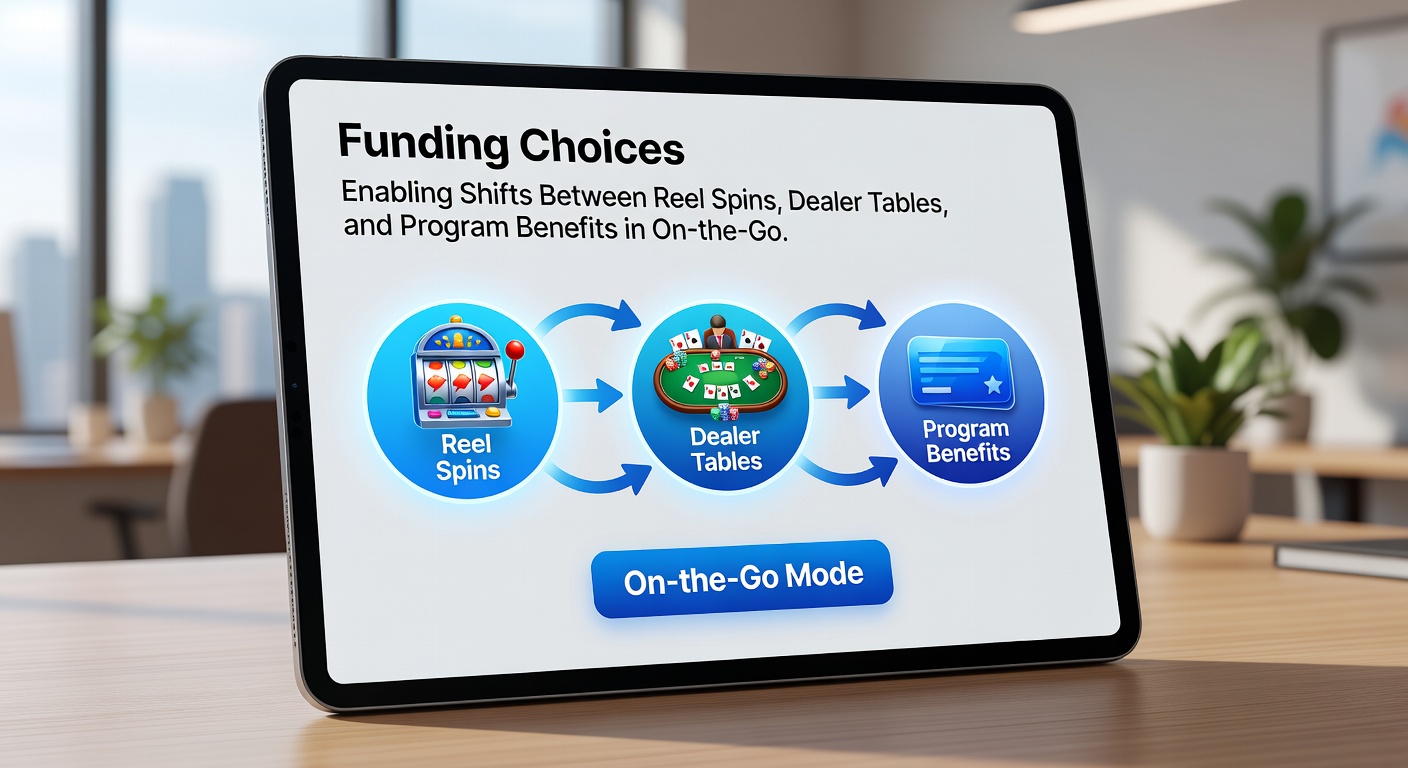
Applications designed for on-the-go formats embed funding menus within game lobbies, allowing one-tap switches that preserve session data and bonus eligibility. Research from the University of Nevada, Reno indicates that 64 percent of surveyed mobile users in regulated markets completed at least three game-type transitions per session when instant payment options were available, compared with lower rates in environments limited to slower methods. These patterns hold across both iOS and Android ecosystems, where developers optimize APIs to synchronize wallet balances with live dealer streams and slot progressives simultaneously.
What's notable is how withdrawal speeds influence continued engagement, since funds returned to an e-wallet can be redeployed into loyalty-earning activities within minutes, sustaining momentum across reel spins and table games. Industry reports project that by May 2026, enhanced interoperability standards will further streamline these flows, incorporating additional verification layers without extending processing windows.
Regional Regulatory Influences on Funding Availability
Frameworks established by bodies such as the New Jersey Division of Gaming Enforcement require clear disclosure of transaction times and fees, which in turn shapes how operators present funding choices to mobile users. Similar guidelines from Australia's Northern Territory Racing Commission emphasize responsible integration of payment tools with self-exclusion features, ensuring that loyalty program access remains tied to verified funding sources. These rules create consistent environments where players can move between game formats while maintaining compliance records that affect reward redemption rates.
Observers note that payment method diversity correlates with higher retention metrics in multi-game mobile settings, as users leverage the most suitable channel for each transition type. One documented case from a European operator demonstrated that introducing layered wallet support increased average session duration by 19 minutes, with corresponding rises in points earned toward dealer table privileges.
Technical Mechanisms Behind Seamless Shifts
Backend systems employ tokenization and real-time reconciliation to update balances across slot engines, live streaming platforms, and loyalty databases without requiring separate logins. This architecture supports hybrid play where a single deposit funds both automated reel sequences and interactive dealer interactions, while simultaneously logging activity for program advancement. Technical specifications released by major software providers confirm that latency under two seconds for most funding types prevents disruptions that previously fragmented mobile experiences.
Those who've analyzed transaction logs across multiple jurisdictions find that cryptocurrency pathways often bypass traditional banking delays, permitting quicker entry into high-tier loyalty segments that grant priority access to exclusive tables. Such efficiencies become particularly relevant during peak mobile usage hours, when players seek to maximize limited time windows.
Conclusion
Flexible funding infrastructures continue to underpin the operational flow of mobile casino environments, linking reel spins, dealer tables, and benefit programs through standardized yet adaptable channels. Projections through 2026 suggest further refinements in speed and compatibility will maintain these connections as device capabilities evolve.