Payment Innovations Powering Elite Access in Mobile Casino Ecosystems
Written by Wendy Wolf · Jun 10, 2026
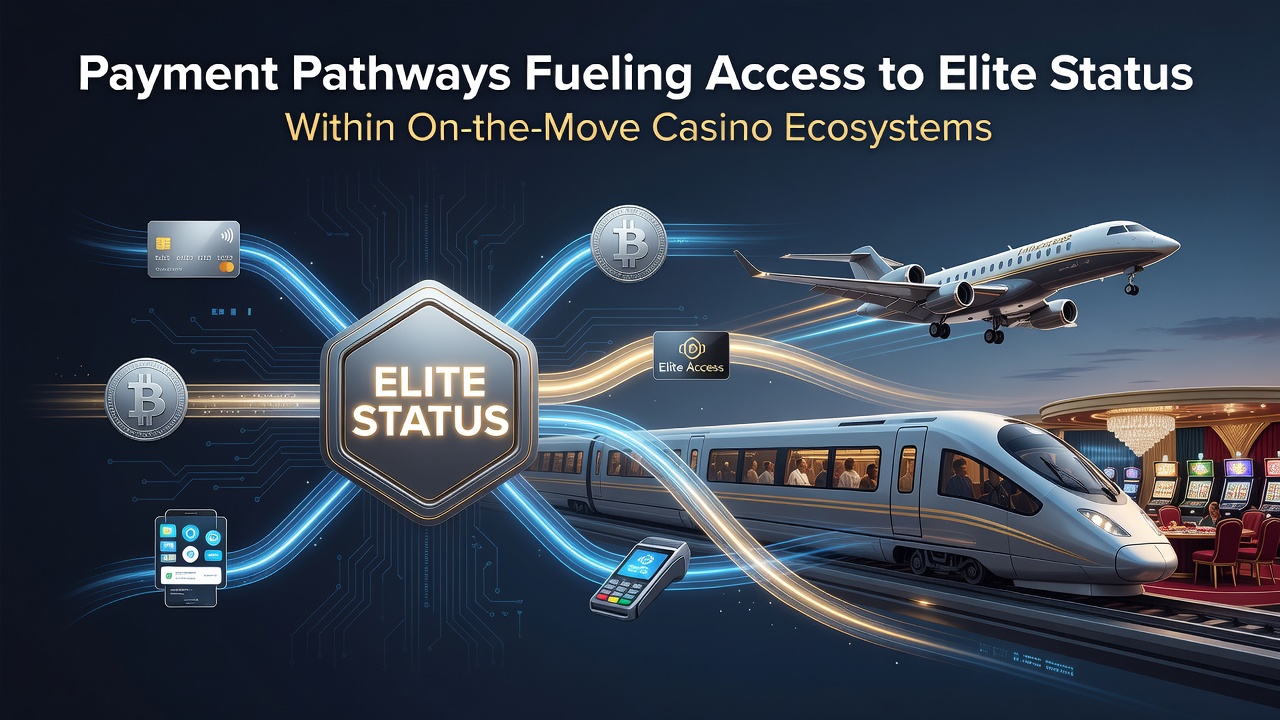
Payment Innovations Powering Elite Access in Mobile Casino Ecosystems
Payment methods have become central drivers in how players advance through loyalty structures within mobile casino platforms, where transaction speed and volume directly influence eligibility for higher tiers. Data from industry reports shows that platforms integrating instant deposit systems see elevated rates of player retention and tier progression compared to slower traditional methods. Researchers tracking these patterns note that seamless funding options create measurable pathways, allowing participants to accumulate the activity thresholds required for elite benefits without delays.
Instant Deposits and Their Direct Link to Tier Advancement
Modern mobile ecosystems rely on payment gateways that process transactions in seconds, and this efficiency translates into faster point accumulation for loyalty programs. E-wallets and digital banking integrations enable players to meet minimum deposit volumes quickly, which platforms often tie to VIP qualification criteria. According to findings from the American Gaming Association, digital payment adoption in mobile gaming segments has correlated with increased engagement metrics across multiple jurisdictions. Those who've examined transaction logs observe that players using these channels reach silver or gold tiers within shorter timeframes because each deposit counts toward both balance and status metrics simultaneously.
Speed matters because many programs calculate eligibility based on recent activity windows, and delayed transfers can push qualifying periods beyond deadlines. Observers note that platforms offering one-click funding reduce friction, leading to more consistent play sessions that build the required playthrough totals. This dynamic has become particularly evident in regions where regulatory frameworks permit flexible payment integrations, allowing operators to optimize for user retention through technical means.
Volume-Based Rewards and Payment Method Preferences
Elite status often hinges on total transaction volume rather than isolated wins, which means payment pathways influence how effectively users scale their accounts. High-frequency deposits via preferred methods like prepaid cards or bank transfers accumulate the spend thresholds faster, unlocking perks such as personalized account managers and exclusive game access. Studies from research institutions indicate that certain payment categories generate higher average transaction sizes, which accelerates progression when platforms apply multipliers to those specific channels.
Take one analysis conducted across North American operators where researchers discovered that users favoring instant verification systems completed tier requirements at rates exceeding those relying on slower verification processes. These patterns hold because the platforms reward velocity and consistency, turning routine funding actions into status-building opportunities. What's interesting here is how payment preferences vary by region, with some markets showing stronger adoption of cryptocurrency options that bypass traditional banking delays entirely.

Regulatory Contexts Shaping Payment Integration
June 2026 brought updates in several markets where authorities refined rules around digital transactions in gaming, prompting operators to adjust their payment infrastructures accordingly. In Australia, for instance, the Australian Communications and Media Authority has documented how licensed platforms adapted their systems to maintain compliance while preserving the speed users expect. These adjustments ensure that payment pathways remain viable routes to elite status without violating local standards on transaction monitoring.
European frameworks from bodies like the Malta Gaming Authority have similarly emphasized secure yet rapid processing, which has encouraged development of hybrid solutions combining multiple verification layers. Data indicates that such balanced approaches sustain player movement through loyalty ladders by minimizing interruptions. Observers point out that regions with clearer guidelines tend to see more stable growth in mobile VIP participation because operators can confidently implement advanced payment features.
Case Examples of Payment-Driven Progression
One documented pattern involves platforms where specific e-wallet partnerships award bonus points on deposits, effectively shortening the path to platinum or diamond levels. Players who route transactions through these integrated options accumulate qualifying activity at accelerated rates, as the systems automatically credit both monetary value and status points. Research papers examining similar setups reveal that such incentives create self-reinforcing cycles where higher-tier users maintain elevated deposit frequencies to sustain their benefits.
Another instance comes from operators in Canada, where provincial data collection has highlighted how instant payout features paired with deposit bonuses encourage repeated funding cycles. Those who've reviewed aggregated figures note correlations between payment method diversity and the percentage of users reaching elite tiers within six-month periods. These examples demonstrate how technical payment choices translate into tangible status outcomes across different operational environments.
Future Directions in Transaction-Linked Loyalty
Emerging technologies continue to refine how payments connect to status systems, with biometric verification and AI-driven risk assessment enabling even quicker approvals. Industry organizations tracking these developments report that platforms investing in such tools experience measurable lifts in tier mobility. The connections between funding speed, transaction security, and loyalty advancement appear set to deepen as mobile ecosystems expand their technical capabilities.
Conclusion
Payment pathways have evolved into structured mechanisms that directly support access to elite positions within mobile casino frameworks, where transaction attributes determine progression speed and eligibility. Evidence from multiple regulatory and research sources confirms that optimized funding routes enhance the feasibility of reaching VIP levels through consistent activity accumulation. As systems advance, these linkages between payments and status will likely remain central to how participants navigate on-the-move casino environments.