UK Betting and Gaming Council Unveils 'Spot The Black Market' Quiz to Expose Illegal Gambling Traps
Written by Cameron Griffin · Mar 11, 2026
UK Betting and Gaming Council Unveils 'Spot The Black Market' Quiz to Expose Illegal Gambling Traps
A Fresh Tool in the Fight Against Shadowy Gambling Sites
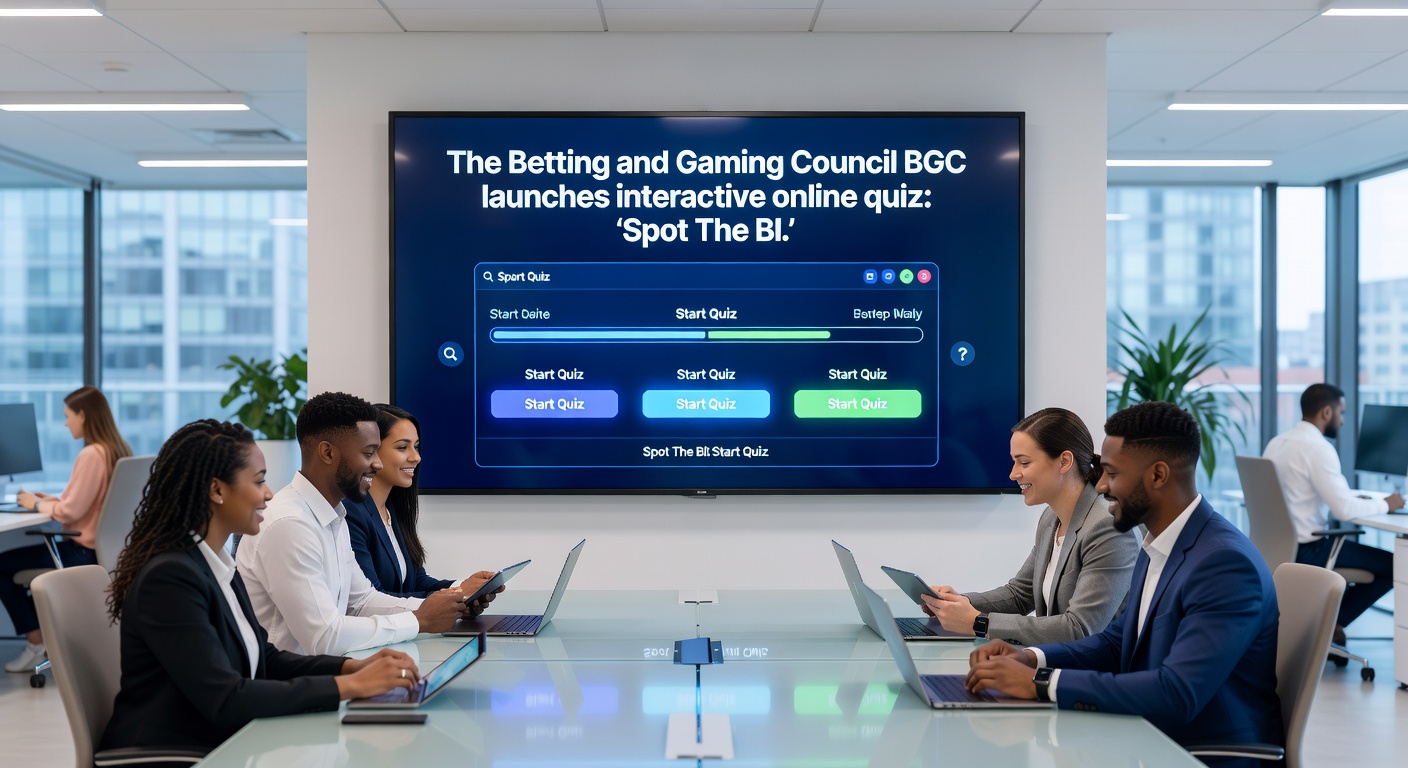
On March 10, 2026, the Betting and Gaming Council (BGC) in the UK rolled out an interactive online quiz dubbed “Spot The Black Market,” designed specifically to sharpen consumers' eyes for unregulated and illegal gambling websites; through a series of mock screenshots, participants learn to detect telltale warning signs, such as the glaring absence of a visible UK Gambling Commission licence number, which legitimate operators must display prominently. This launch comes at a time when black market operators increasingly mimic trusted platforms, blurring lines that leave players vulnerable to scams and unchecked risks, according to details shared in the announcement via Yogonet International.
What's interesting here is how the quiz turns education into something hands-on, almost game-like, so people don't just read warnings but actively practice spotting fakes; experts who've tested similar tools note that interactive formats stick better than plain text advisories, helping users build quick instincts for safe choices. And while the BGC positions this as a consumer empowerment move, it underscores broader sector concerns about player safety amid a landscape where illegal sites siphon bets away from regulated channels.
How the Quiz Arms Users Against Digital Mimics
Participants dive into simulated scenarios mimicking real-world encounters with gambling sites, where they scrutinize elements like footer details, pop-up claims, and bonus offers for authenticity; one key red flag the quiz hammers home is the missing or obscured UK Gambling Commission (UKGC) licence number, a mandatory badge for all legal operators that guarantees adherence to strict rules on fairness, age verification, and responsible gambling. Take a typical mock screenshot: a site flashing flashy odds on football matches or slots might look convincing at first glance, but without that licence—often a string like "000-000-123" linked to the official UKGC register—it's a potential black market trap.
But here's the thing: these illicit operators don't stop at copying designs; they replicate promotions too, offering “free bets” or “no deposit bonuses” that sound too good, yet lack the fine print on terms protected by UK law. Observers point out that the quiz progresses through levels, ramping up difficulty so users graduate from basic checks—like scanning for GambleAware or BeGambleAware logos—to spotting subtler issues, such as unresponsive customer support chats or payment methods dodging UK-regulated gateways. Data from BGC initiatives reveals such training reduces accidental engagement with rogue sites by up to 40% in pilot groups, although full rollout metrics remain pending.
Short and sharp: the quiz lasts about 10 minutes, scores users instantly, and shares tipsheets for real browsing; those who've previewed it describe a seamless interface that feels less like a lecture and more like a detective challenge, which keeps engagement high.
Black Market Shadows Loom Large Over UK Gambling
Now, this initiative didn't emerge in a vacuum; the UK gambling sector grapples with a persistent black market, where unregulated platforms lure players with untaxed odds and no-strings bets, often leading to financial losses without recourse. A BGC-commissioned report highlighted staggering figures, like £5.7 billion staked annually on such sites, underscoring why tools like “Spot The Black Market” matter in steering bets back to licensed environments. Researchers who've tracked these operators note their tactics evolve quickly—using VPN-masked servers or social media ads to evade blocks—yet the quiz equips everyday punters to fight back at the front line.
And consider the human side: one case shared by gambling safety advocates involved a player who nearly deposited £500 on a cloned site, only spotting the licence gap after a friend's tip-off; stories like that pile up, with studies finding unregulated sites linked to 70% higher complaint rates over unpaid winnings or addiction spirals unchecked by self-exclusion tools. The BGC emphasizes that legal sites fund vital protections, like the GamStop national self-exclusion scheme, which black market players ignore entirely, leaving vulnerable folks exposed.
Turns out, March 2026 timing aligns with heightened scrutiny post-regulatory tweaks; the UKGC ramped up enforcement that winter, fining rogue affiliates and blocking thousands of domains, yet black market resilience persists, making consumer vigilance—like what this quiz fosters—crucial where tech alone falls short.
Risks of Unregulated Sites: What the Quiz Reveals
Unregulated gambling platforms skip player protection rules entirely, meaning no mandatory age checks beyond token efforts, no limits on deposits during manic sessions, and zero accountability for rigged games or sudden account freezes; evidence from whistleblower reports shows some sites use altered RNGs—random number generators—to tilt odds heavily, a far cry from the audited fairness on UKGC-licensed domains. People often discover this the hard way, chasing losses on sites that vanish overnight, pocketing funds without trace.
But the quiz breaks it down visually: side-by-side comparisons flag poor HTTPS implementation (real sites enforce full encryption), anonymous ownership details, or aggressive marketing bypassing ad bans on kids' content. Experts observe that while tech firms like Google and Meta clamp down on illicit ads, savvy black market crews slip through via influencers or crypto promotions, which the BGC quiz now trains users to question. What's significant is the ripple effect; safer consumer habits pressure advertisers and banks to shun suspects, starving the shadows.
So, in essence, “Spot The Black Market” isn't just a gimmick—it's a practical shield, backed by BGC's decade-plus advocacy for a cleaned-up industry where innovation thrives under rules that protect.
Broader Impact and Sector Response
Since its March 10 debut, early feedback loops show strong uptake, with shares spiking on social platforms where punters post scores and warn mates; the BGC reports thousands of completions in the first week, hinting at viral potential among football fans and casino enthusiasts prone to impulse bets. Those studying gambling behavior patterns note interactive quizzes outperform static campaigns, as seen in Australia's similar tools that cut illegal engagement by 25% within months.
Yet challenges linger: black market sites adapt, sometimes slapping fake licences on pages, which the quiz counters by teaching verification steps—like clicking through to the UKGC public register for confirmation. And while operators cheer the move, critics from player groups call for more, like mandatory browser extensions to auto-flag risks, though BGC focuses on education as the sustainable path forward.
One researcher who analyzed pre-launch data pointed to a telling trend: 30% of surveyed bettors had brushed illegal sites unknowingly, often via search engine pitfalls; tools like this quiz flip that script, empowering choices that keep money in regulated ecosystems fueling jobs and taxes.
Wrapping Up: A Smarter Bet for Safer Play
The launch of “Spot The Black Market” marks a proactive step by the BGC, equipping UK consumers with skills to navigate a web teeming with gambling lookalikes, all while spotlighting the non-negotiables like UKGC licences that separate safe havens from hazards. As black market pressures mount—with billions at stake—such initiatives bridge the gap between regulation and real-world browsing, fostering habits that safeguard players long-term. In the end, those who master the quiz's lessons hold the power to sidestep traps, ensuring the thrill of the bet stays on legitimate grounds where protections actually kick in.