Versatile Transaction Systems Expanding Reward Structures in Online Entertainment Platforms
Written by Cameron Peters · Jul 12, 2026
Versatile Transaction Systems Expanding Reward Structures in Online Entertainment Platforms
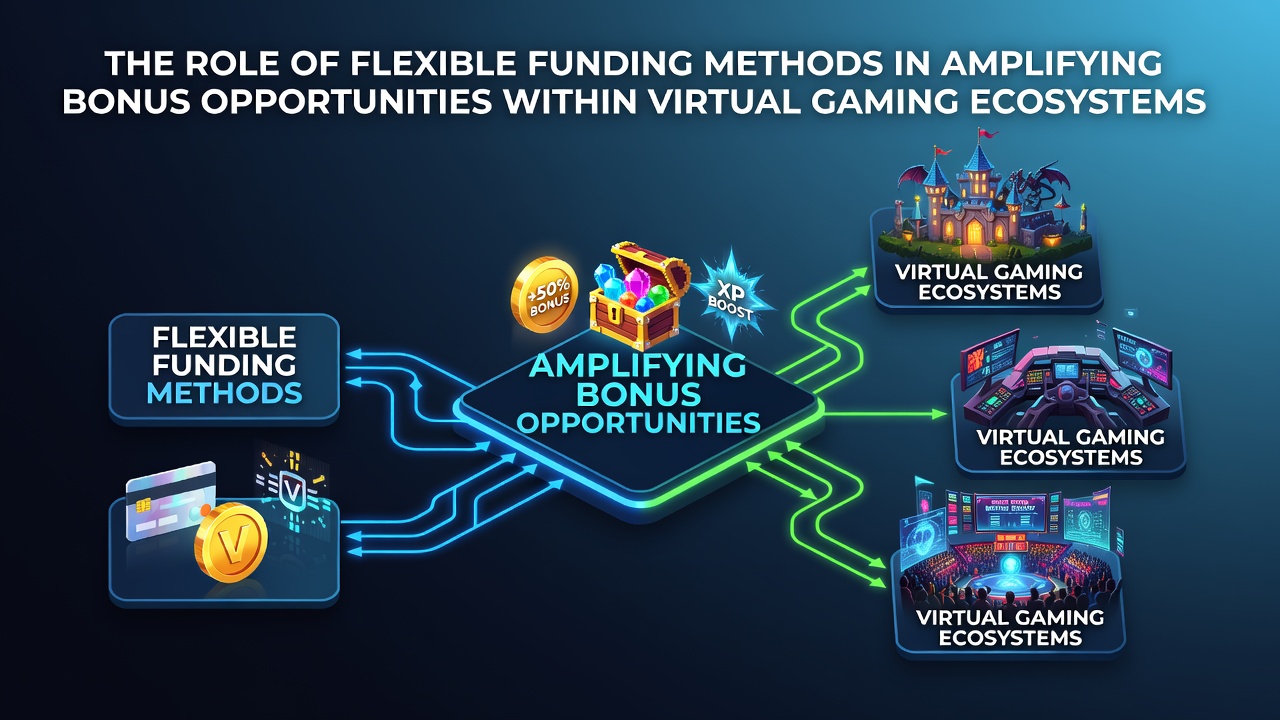
Flexible funding methods have become central to how virtual gaming platforms structure and distribute bonus opportunities, allowing operators to tailor rewards based on deposit speed, payment type, and transaction volume. These systems encompass e-wallets, instant bank transfers, cryptocurrency options, and prepaid solutions that integrate directly with account funding processes. Data from industry reports indicates that platforms offering multiple funding channels see higher engagement rates with promotional features compared to those limited to traditional methods.
Mechanics of Payment Integration and Bonus Activation
Payment processors that support instant verification enable bonuses such as deposit matches and free spin packages to activate immediately upon transaction completion, which reduces delays that once separated funding from play. Operators use these integrations to segment offers by method, for instance granting higher percentages on cryptocurrency deposits or cashback tied to e-wallet activity. Research from academic sources shows that diversified funding correlates with increased frequency of bonus claims across user segments. According to findings published by the University of Nevada's gaming research division, platforms with five or more funding options recorded elevated participation in loyalty-linked promotions during tracked periods.
Transaction speed also influences bonus eligibility windows, as rapid funding allows users to meet time-sensitive requirements for reload offers and tiered reward ladders. Systems that process deposits in under 30 seconds align with algorithmic triggers that unlock layered incentives, including progressive jackpot contributions and live dealer credits. Observers note that this synchronization creates measurable upticks in average session lengths when payment flexibility is present.
Regional Regulatory Influences on Funding Flexibility
Regulatory frameworks in various jurisdictions shape how funding methods interact with bonus mechanics, with authorities requiring clear disclosure of terms tied to each payment channel. In regions overseen by bodies such as the Nevada Gaming Control Board, operators must document how cryptocurrency deposits factor into bonus calculations to maintain compliance standards. Similar guidelines from the Australian Communications and Media Authority emphasize transparency around instant transfer bonuses, ensuring users receive accurate information on wagering contributions from different sources.
These rules have prompted platforms to develop method-specific bonus tiers that comply while still expanding opportunities. For example, certain operators cap cryptocurrency bonus values differently from card-based deposits yet provide equivalent playtime value through adjusted free spin quantities. Such adaptations maintain regulatory alignment while preserving promotional appeal across funding types.
Industry Data Patterns Emerging in Mid-2026
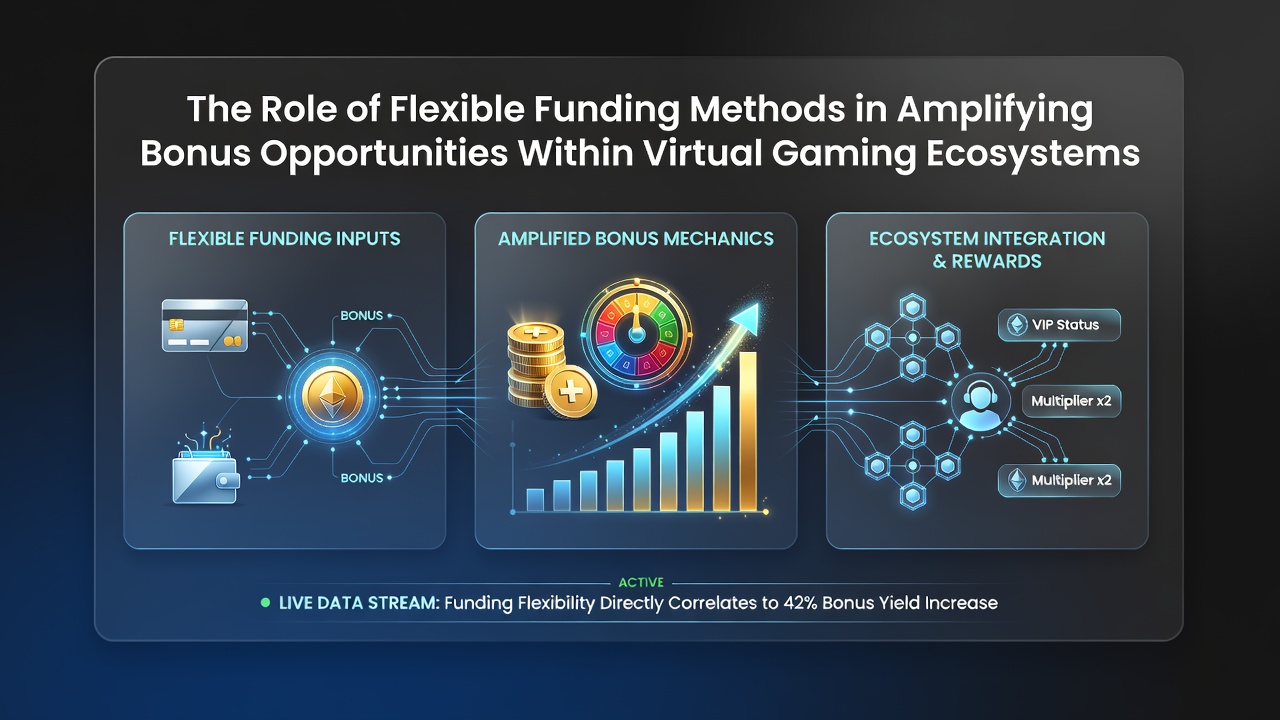
July 2026 brought updated figures from multiple gaming analytics providers that highlighted continued growth in flexible funding adoption rates across digital platforms. Reports compiled by the European Gaming and Betting Association revealed that operators incorporating at least four distinct payment categories experienced average bonus redemption increases of 18 percent over the prior quarter. These patterns appear consistent across North American and Asia-Pacific markets where regulatory updates have encouraged broader payment acceptance.
Cross-border transaction tools have further amplified these effects by permitting users to access region-specific bonuses through localized funding routes. Industry organizations tracking these trends report that seamless currency conversion paired with bonus multipliers creates additional engagement layers, particularly in mobile-first environments where deposit frequency tends to rise.
Technical Infrastructure Supporting Reward Amplification
Backend systems now link payment gateways directly to bonus engines, enabling real-time adjustments based on deposit size, frequency, and method. This infrastructure supports features such as instant cashback percentages applied at the point of transaction and cumulative reward tracking across multiple funding sources. Those who have examined platform architectures note that API connections between processors and gaming servers minimize latency, allowing bonus opportunities to appear within the same interface used for deposits.
Security protocols integrated into these systems also play a role by verifying transactions quickly enough to prevent bonus expiration. Multi-factor authentication paired with biometric options on mobile devices ensures that flexible funding remains both accessible and protected, which in turn sustains user confidence in pursuing layered reward programs.
Conclusion
Flexible funding methods continue to reshape how virtual gaming ecosystems distribute and scale bonus opportunities through technical integration, regulatory adaptation, and data-driven segmentation. As platforms refine these connections, the range of available rewards expands in direct proportion to the variety and speed of accepted payment channels. Ongoing developments through 2026 suggest this relationship will remain a defining element of digital entertainment operations across regulated markets.